
 https://joelkotkin.com/wp-content/uploads/2017/09/infinite-suburbia-book.jpg
480
388
JK-admin
/wp-content/uploads/2017/01/jkotkin_logo.png
JK-admin2017-09-15 13:03:482021-03-22 09:10:01Infinite Suburbia
https://joelkotkin.com/wp-content/uploads/2017/09/infinite-suburbia-book.jpg
480
388
JK-admin
/wp-content/uploads/2017/01/jkotkin_logo.png
JK-admin2017-09-15 13:03:482021-03-22 09:10:01Infinite SuburbiaThe Coming of NEO-Feudalism
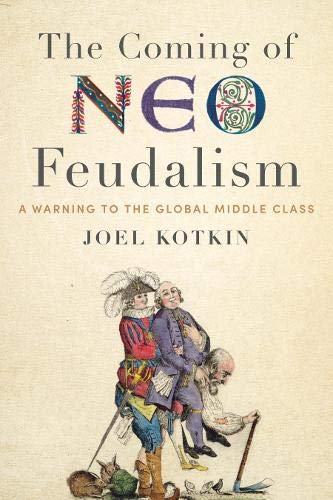 Joel Kotkin’s latest book is available at Amazon in hardcover, paperback, audio, and digital editions.
Our society is being rapidly reduced to a feudal state, a process now being exacerbated by the COVID-19 pandemic. Millions of small businesses are near extinction, millions more losing their jobs and many others stuck into the status of a property-less serfs. The big winners have been the “expert” class of the clerisy and, most of all, the tech oligarchs, who benefit as people rely more on algorithms than human relationships.
Following a remarkable epoch of greater dispersion of wealth and opportunity, we are inexorably returning towards a more feudal era marked by greater concentration of wealth and property, reduced upward mobility, demographic stagnation, and increased dogmatism. If the last seventy years saw a massive expansion of the middle class, not only in America but in much of the developed world, today that class is declining and a new, more hierarchical society is emerging.
The new class structure resembles that of Medieval times. At the apex of the new order are two classes―a reborn clerical elite, the clerisy, which dominates the upper part of the professional ranks, universities, media and culture, and a new aristocracy led by tech oligarchs with unprecedented wealth and growing control of information. These two classes correspond to the old French First and Second Estates.
Below these two classes lies what was once called the Third Estate. This includes the yeomanry, which is made up largely of small business people, minor property owners, skilled workers and private-sector oriented professionals. Ascendant for much of modern history, this class is in decline while those below them, the new Serfs, grow in numbers―a vast, expanding property-less population.
The trends are mounting, but we can still reverse them―if people understand what is actually occurring and have the capability to oppose them.
Purchase at Amazon
Reviews for ‘The Coming of NEO-Feudalism’
Why in the supposedly enlightened time of 2020 does the United States feel like a kingdom of hopeless serfs who must obey their hypocritical lords without dispute? If there was ever a time when we needed an investigation into the economic and social conditions that have literally and metaphorically fanned the flames of the riots, that enabled the hypocritical abandoning of lockdowns, and that set the stage for urban anarchy, it’s now. And thankfully, Joel Kotkin’s latest, The Coming Age of Neo-Feudalism: A Warning to the Global Middle Class, is one such book. Among the books that could end up defining the times in which we find ourselves here in the United States and throughout the world — from South America to Italy to the South China Sea — Kotkin’s work is not as widely read and discussed. But it ought to be.
Read the rest of the book review at National Review
Kotkin has written an essential and critical study of emerging class structures at the intersection of technological determinism and post-industrial capitalism. He suggests that technological oligarchs are already controlling our economic future while creating a high-tech neo-feudal society that undermines democracy and economic mobility for the middle and working classes.
Our society and economy is no longer progressing but regressing into a kind of “neo-feudalism.” As Joel Kotkin describes it, our once-great middle class is being eviscerated and America is dividing into a small group of uber-wealthy oligarchs who have colonized luxury cities like San Francisco and New York. A gripping cautionary tale by one of the most provocative and original thinkers of our time, this book is a must read for all those concerned about the future of our cities and our society.
More Book Titles
https://joelkotkin.com/wp-content/uploads/2017/09/infinite-suburbia-book.jpg
480
388
JK-admin
/wp-content/uploads/2017/01/jkotkin_logo.png
JK-admin2017-09-15 13:03:482021-03-22 09:10:01Infinite Suburbia https://joelkotkin.com/wp-content/uploads/2017/01/humancity-1-e1485490743553.jpg
350
233
JK-admin
/wp-content/uploads/2017/01/jkotkin_logo.png
JK-admin2016-04-15 15:39:592020-04-14 11:07:48The Human City
https://joelkotkin.com/wp-content/uploads/2017/01/humancity-1-e1485490743553.jpg
350
233
JK-admin
/wp-content/uploads/2017/01/jkotkin_logo.png
JK-admin2016-04-15 15:39:592020-04-14 11:07:48The Human City https://joelkotkin.com/wp-content/uploads/2017/01/kotkin-class-conflict-cover-270-1-e1485490789889.jpg
350
233
JK-admin
/wp-content/uploads/2017/01/jkotkin_logo.png
JK-admin2014-09-20 15:56:572020-04-14 11:12:03The New Class Conflict
https://joelkotkin.com/wp-content/uploads/2017/01/kotkin-class-conflict-cover-270-1-e1485490789889.jpg
350
233
JK-admin
/wp-content/uploads/2017/01/jkotkin_logo.png
JK-admin2014-09-20 15:56:572020-04-14 11:12:03The New Class Conflict https://joelkotkin.com/wp-content/uploads/2017/01/TheNext100Million-paper-1-e1485490849616.png
350
228
JK-admin
/wp-content/uploads/2017/01/jkotkin_logo.png
JK-admin2009-11-09 20:56:322017-02-14 13:58:14The Next Hundred Million
https://joelkotkin.com/wp-content/uploads/2017/01/TheNext100Million-paper-1-e1485490849616.png
350
228
JK-admin
/wp-content/uploads/2017/01/jkotkin_logo.png
JK-admin2009-11-09 20:56:322017-02-14 13:58:14The Next Hundred Million https://joelkotkin.com/wp-content/uploads/2017/01/ciudad2-1-e1485991273104.gif
338
233
JK-admin
/wp-content/uploads/2017/01/jkotkin_logo.png
JK-admin2009-09-02 21:27:172017-02-14 14:04:06The City: A Global History
https://joelkotkin.com/wp-content/uploads/2017/01/ciudad2-1-e1485991273104.gif
338
233
JK-admin
/wp-content/uploads/2017/01/jkotkin_logo.png
JK-admin2009-09-02 21:27:172017-02-14 14:04:06The City: A Global History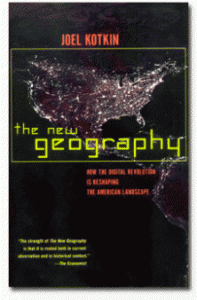 https://joelkotkin.com/wp-content/uploads/2017/01/newgeography-e1485990730373.gif
338
222
JK-admin
/wp-content/uploads/2017/01/jkotkin_logo.png
JK-admin2009-05-07 21:39:432017-02-14 13:59:44The New Geography
https://joelkotkin.com/wp-content/uploads/2017/01/newgeography-e1485990730373.gif
338
222
JK-admin
/wp-content/uploads/2017/01/jkotkin_logo.png
JK-admin2009-05-07 21:39:432017-02-14 13:59:44The New Geography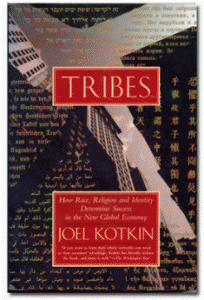 https://joelkotkin.com/wp-content/uploads/2017/01/Tribesbook-1-e1485990815638.gif
345
235
JK-admin
/wp-content/uploads/2017/01/jkotkin_logo.png
JK-admin2009-01-19 21:52:112017-02-14 14:00:40Tribes
https://joelkotkin.com/wp-content/uploads/2017/01/Tribesbook-1-e1485990815638.gif
345
235
JK-admin
/wp-content/uploads/2017/01/jkotkin_logo.png
JK-admin2009-01-19 21:52:112017-02-14 14:00:40Tribes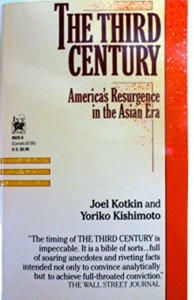 https://joelkotkin.com/wp-content/uploads/2021/03/the-third-century.jpg
948
614
JK-admin
/wp-content/uploads/2017/01/jkotkin_logo.png
JK-admin1990-07-01 08:59:362021-03-21 09:03:04The Third Century
https://joelkotkin.com/wp-content/uploads/2021/03/the-third-century.jpg
948
614
JK-admin
/wp-content/uploads/2017/01/jkotkin_logo.png
JK-admin1990-07-01 08:59:362021-03-21 09:03:04The Third Century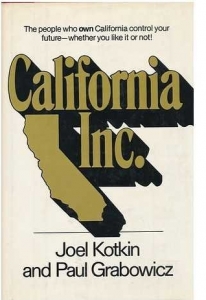 https://joelkotkin.com/wp-content/uploads/2021/03/california-inc-e1616342875347.jpg
463
318
JK-admin
/wp-content/uploads/2017/01/jkotkin_logo.png
JK-admin1983-02-01 08:49:422021-03-21 09:08:37California, Inc.
https://joelkotkin.com/wp-content/uploads/2021/03/california-inc-e1616342875347.jpg
463
318
JK-admin
/wp-content/uploads/2017/01/jkotkin_logo.png
JK-admin1983-02-01 08:49:422021-03-21 09:08:37California, Inc.STAY CONNECTED
Join the conversation at Twitter
or Facebook. Visit our YouTube
channel or subscribe to RSS
to read our latest articles.





Recent Articles
 The American Revolution at 250June 22, 2026 - 11:40 am
 The Myth of Europe’s Fascist RevivalJune 19, 2026 - 11:45 am
 SpaceX Spinoffs Launch El Segundo into Economic OrbitJune 17, 2026 - 11:45 am
 Left-wing Civil War Threatens LA’s FutureJune 15, 2026 - 11:45 am