The End of New York
For over two centuries, New York has been the predominant urban center in North America. It remains the primary locale for the arts, culture, finance, and media, and will likely remain so for the foreseeable future. It has also served as the incubator of the many Americas—including Jewish, Italian, African American, Irish, and, increasingly, Middle Eastern, North African, and Asian cultures—and nurtured their contributions to the arts, business, and intellectual life.
Yet today, New York faces a looming existential crisis brought on by the coronavirus. It suffers the largest outbreak of infection by far, accounting for the largest numbers of both cases and deaths outside of Wuhan and Milan. New York is home to nearly half of the coronavirus cases in the United States, and a majority of deaths.
What’s particularly ominous for New York’s future is that the best way to slow the spread of the virus—social distancing—works against the very things that make Gotham so appealing. The very pleasures and crowded realities of urban life, such as mass transit, are particularly susceptible to pandemics. As New Yorkers are told to avoid crowded subways, subway traffic is down 60% and commuter train traffic by as much as 90%.
Cities like New York pay a price for being both dense and cosmopolitan. As a new study from Heartland Forward reveals, the prime determinants of high rates of infection include such things as density, percentage of foreign residents, age, presence of global supply chains, and reliance on tourism and hospitality. Globally, the vast majority of cases occur in places that are both densely populated and connected to the global economy. Half of all COVID-19 cases in Spain, for example, have occurred in Madrid, while the Lombardy region in Italy, which includes the city of Milan, accounts for roughly half of all cases in the country and over 60% of the deaths.
In contrast, suburban, exurban, and small-town residents get around in the sanctuary of their private cars and have far more room inside their houses. They do not usually get lots of visitors from outside, particularly from abroad. Overall, most rural areas around the world have been largely spared, at least for now, due to much less crowding and casual human contact, which abound in cities.
Pandemics naturally thrive most in big cities, where people live cheek by jowl and are regularly exposed to people from other regions and countries. Like COVID-19, the bubonic plague came to Europe on ships from the Orient, where the disease originated. As historian William McNeill noted, the plague devastated the cosmopolitan centers of Renaissance Italy far more than the backward reaches of Poland or other parts of central Europe.
Being away from people, driving around in your own car, and having neighbors you know, all have clear advantages when it comes to avoiding and surviving contagion. Even the urban cognoscenti have figured this out. Like their Renaissance predecessors during typhus and bubonic plague outbreaks, contemporary wealthy New Yorkers are retreating to their country homes where they struggle with the local townies over occasional short supplies of essentials.
In the long run, the extraordinary concentration of COVID-19 cases in New York threatens an economy and a social fabric that were already unraveling before the outbreak began. The city’s job growth rate has slowed and was slated to decline further, noted the New York City Independent Budget Office. Critically, New York’s performance in such high wage fields as business services, finance, and tech was weakening compared to other American metros. Half of all the city’s condos built since 2015 lie unsold as oligarchs, drug lords, celebrities, and others lose interest in luxury real estate now that cash, much of it from China, is drying up.
But it’s not just the ultrarich who are heading to the exits. Even before the virus hit, large urban centers like New York, Los Angeles, and Chicago were losing population; over 90% of all population growth since 2010 had taken place in the suburbs or exurbs. Even millennials, as demonstrated in a Heartland Forward report, are moving away from the supposed “magnets” of New York, Los Angeles, and Chicago, to the sprawling cities and towns in the middle of the country.
Read the rest of this piece at Tablet
Joel Kotkin is the Presidential Fellow in Urban Futures at Chapman University and Executive Director for Urban Reform Institute — formerly the Center for Opportunity Urbanism. His last book was The Human City: Urbanism for the Rest of Us (Agate, 2017). His next book, The Coming of Neo-Feudalism: A Warning to the Global Middle Class, is now available to preorder. You can follow him on Twitter @joelkotkin.
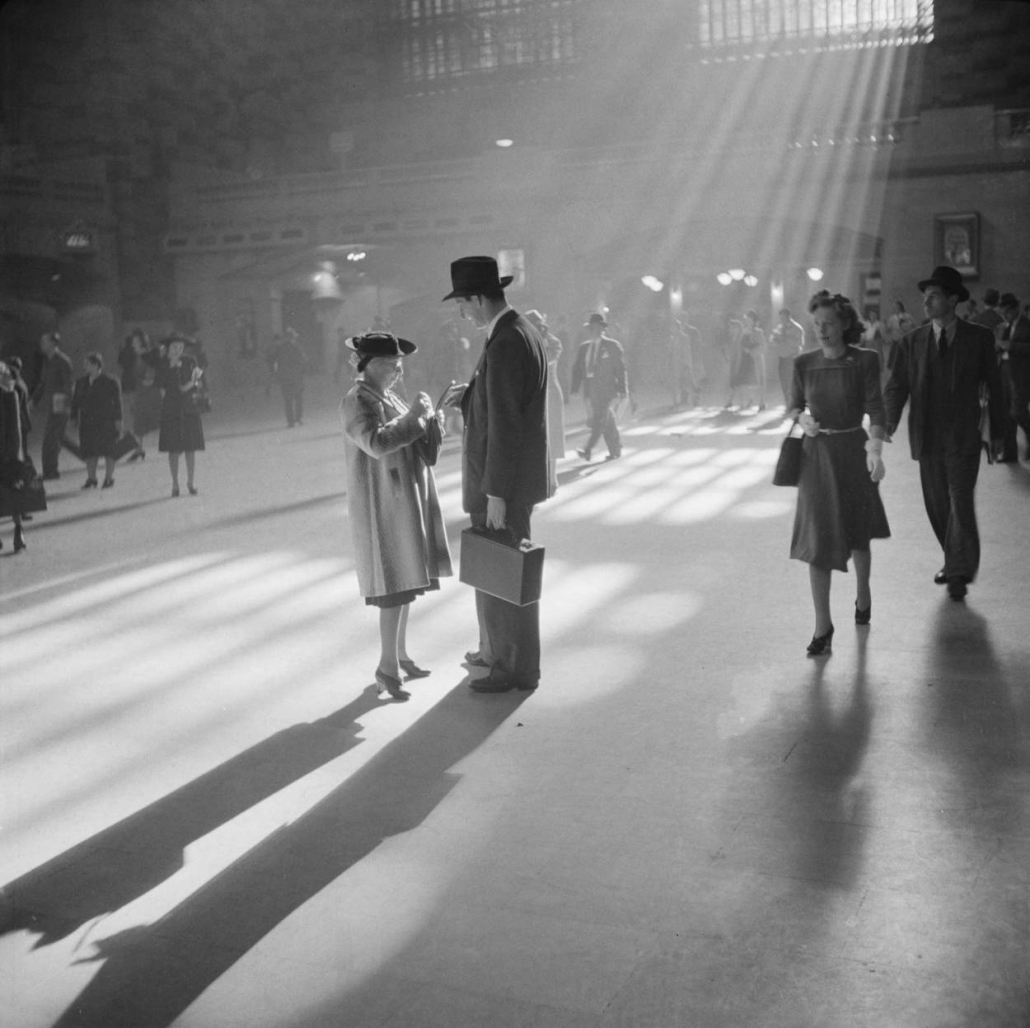
Photo: Library of Congress, Grand Central Terminal, New York City 1941.