
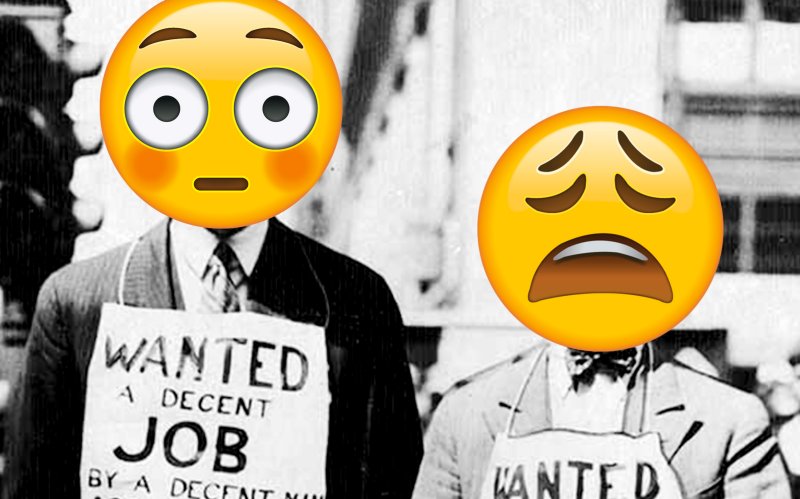
The Coronavirus Means Millennials Are More Screwed Than Ever
In the nearly eight years since I first described millennials as “the screwed generation,” things have only worsened for those born between 1982 and 2000—and the coronavirus is now accelerating that slide.
In the midst of a pandemic, millennials are twice as likely to be uninsured as Boomers (PDF). Despite their superior educational credentials, millennials on average earn wages that are 20 percent less than what Baby Boomers made at the same age. Millennials are far less likely to own homes than Boomers were, and those millennials with homes are far more likely to have rich parents.
Seniors may suffer a much higher risk from the virus, but, from an economic point of view, it’s the millennials getting screwed the most. In a new report, Data for Progress found that a staggering 52 percent of people under the age of 45 have lost a job, been put on leave, or had their hours reduced due to the pandemic, compared with 26 percent of people over the age of 45.
Some recent research suggests that the pandemic may impact this generation in terms of such things as mental and physical health, leading to shortened lifespans. Before the pandemic, about 8 percent of American teens (members of Generation Z) reported trying to kill themselves each year and about 70 percent suffered from loneliness. In 2020, these numbers will likely be higher, suggests an excellent analysis in The Atlantic. The young generations are already more likely to report poor mental health, per the American Psychological Association, and suicides among people ages 10-24 soared 56 percent from 2007 to 2017.
This reflects the pessimism felt by millennials, both here and globally, about their futures, with most not expecting to do better than their parents. Their dismal prospects are reflected in the lowest marriage rates in history and loathness to start families. Battered now by pestilence and its aftermath, they could well become what one conservative writer referred to as a “resentful generation.”
Particularly vulnerable are the two-thirds of Americans between 25 and 32 who lack a four-year college degree. In the past, these workers would have been employed in factories or worked in a small businesses, or even started one. You do not need a PhD to operate a donut shop, a gym or a hair salon.
But now factory work has declined as companies have shifted their production to China and other parts of the developing world. The Main Street option was fading even before the COVID lockdown, as evidenced in falling rates of business formation, particularly among the young. The share of GDP represented by small firms has dropped from 50 to 45 percent since the 1990s. The share of young firms in all industries has fallen in the last 40 years. Increasingly more industries have become dominated by large, superstar firms with access to Wall Street capital.
But even educated youth now suffer consistently lower wages, notes Pew, than their counterparts from previous generations. Many young people, including some college graduates, are employed in low-wage industries such as hospitality, retail and restaurants, fields now suffering the largest share of the job losses. Even those still working often have little ability to control working conditions, terms of employment, or gain guarantees for health coverage.
Read the rest of this piece at Daily Beast.
Joel Kotkin is the author of the just-released book The Coming of Neo-Feudalism: A Warning to the Global Middle Class. He is the Presidential Fellow in Urban Futures at Chapman University and Executive Director for Urban Reform Institute — formerly the Center for Opportunity Urbanism. Learn more at joelkotkin.com and follow him on Twitter @joelkotkin






 Sean Pollock, via Unsplash