Save Our Cities
With office districts and tower blocks losing their lustre, we need to rethink what cities are for. It’s time to create better neighbourhoods where people will want to spend their time.
The notion that cities are the ultimate centres of commerce, innovation and finance – and the receptacle of all that is new and exciting – is unravelling. Some metropolises have become too big, impersonal and similar to be exciting. When The New York Times, the great platform of city supremacism, starts publishing articles about the “urban doom loop”, it’s a sign that the game is up. Of course, we will hear brave words about the inevitable resurgence of cities but the trends against dense urbanity are too clear for even the most deluded to deny.
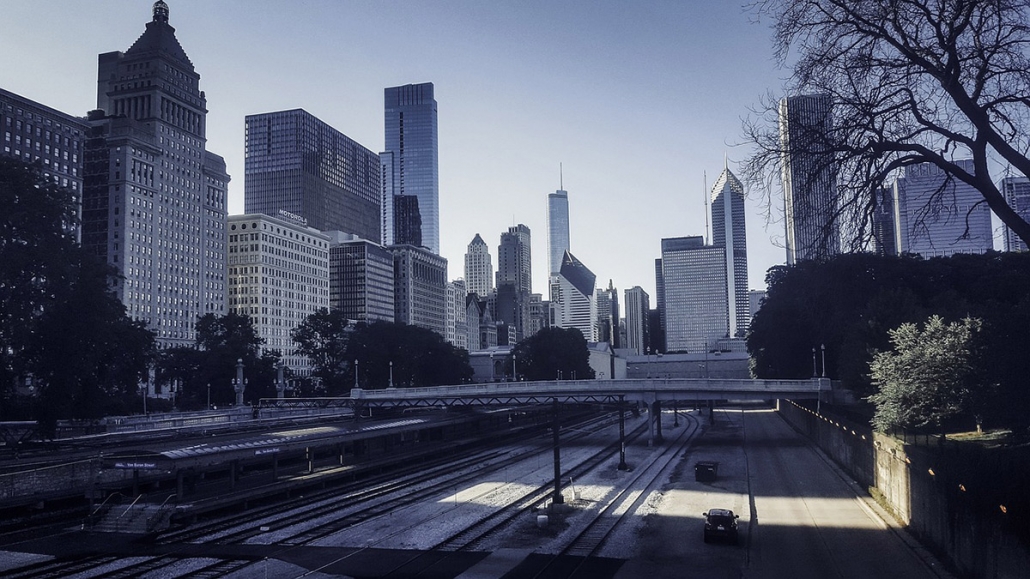
With their towering skyscrapers, many office districts have turned from avatars of the future into something like a holdover from the Industrial Revolution. A big part of what lies ahead for cities is becoming what the University of Chicago’s Terry Nichols Clark has described as “entertainment machines”. That follows HG Wells’s prediction that the urban centre would become “a bazaar, a great gallery of shops and places of concourse and rendezvous”, while most people, particularly families, and industries head towards the periphery.
New York, Tokyo and London will continue to attract the global rich unless they become too dangerous or disorderly. They will still boast some of the world’s best museums and restaurants, and sustain large artistic communities. But these alone aren’t enough: saving the city will require a renaissance of the surrounding neighbourhoods. If city centres are suffering from the rise of online work, areas such as New York’s Brooklyn Heights could and probably should become its beneficiaries.
There are precursors to this. When New York’s economy cratered in the 1970s and 1980s, abandoned factories in SoHo were transformed into artists’ lofts. As the city recovered, the process spread outside the core. Many became populated by professionals and artisans who chose to be city-dwellers not just for work but because they preferred it.
University-educated young people in their mid-twenties and mid-thirties account for about half of the revival of close-in urban neighbourhoods – those near a metropolitan area’s central business district – over the past decade. They might still access HG Wells’ “concourse and rendezvous” in the core but will spend most of the time (and their money) a little closer to home. A smart new urban strategy would appeal to young professionals not as temporary sojourners but as people committed to staying there long-term and raising families – house prices and availability permitting. Even today, however, some developers are still suggesting new city-centre office towers in the traditional working cores. That makes as much sense as the leaders of modern Egypt resting their hopes on building new pyramids.
Rather than concentrating on grandiose schemes for ever- bigger buildings, more transit lines and larger stadiums, cities should focus on what makes neighbourhoods tick, such as effective policing, decent public education and the preservation of historic districts (and stopping them being churned up to make way for more office space or speculative developments). In the future, the key metric of a city’s greatness won’t be how many high-rise towers or how many suburbanites can be dragooned daily into their soulless centres. It will be how appealing, well serviced and vibrant the surrounding neighbourhoods can be.
This piece first appeared at Monocle.
Joel Kotkin is the author of The Coming of Neo-Feudalism: A Warning to the Global Middle Class. He is the Roger Hobbs Presidential Fellow in Urban Futures at Chapman University and Executive Director for Urban Reform Institute. Learn more at joelkotkin.com and follow him on Twitter @joelkotkin.

 Ted Eytan, under CC 2.0 License